According to research, medical practices today are under more pressure than ever before. Patient volumes are also increasing, instant access expectations are rising, and the admin team is stretched.
The front desk, a simple check-in and call handling system, has now become the operational nerve center of a medical practice. Appointment scheduling, insurance verification, prescription refill requests, follow-ups, emergency triage, and patient queries all flow through the single point of contact.
And unfortunately, traditional front desk models are struggling to keep up. Missed calls, long hold times, staff burnout, and administrative errors directly impact patient satisfaction and revenue.
This is why many providers are now embracing AI health front desk agents as a core component of modern AI medical practice management. These intelligent systems are not replacing human staff; instead, they are enhancing efficiency, improving patient experience, and enabling practices to scale sustainably.
Let’s explore,
10 Reasons - Medical Practices Turning Toward AI Front Desk Agents
1. Rising Administrative Burden Is Draining Medical Teams
Administrative workload is one of the biggest pain points in healthcare today. Front desk teams spend a significant portion of their day answering repetitive calls about office hours, appointment availability, directions, insurance acceptance, and basic patient instructions.
Manual handling of these tasks leads to:
- Constant interruptions for clinical staff
- Increased risk of scheduling errors
- Reduced time for patient-focused interactions
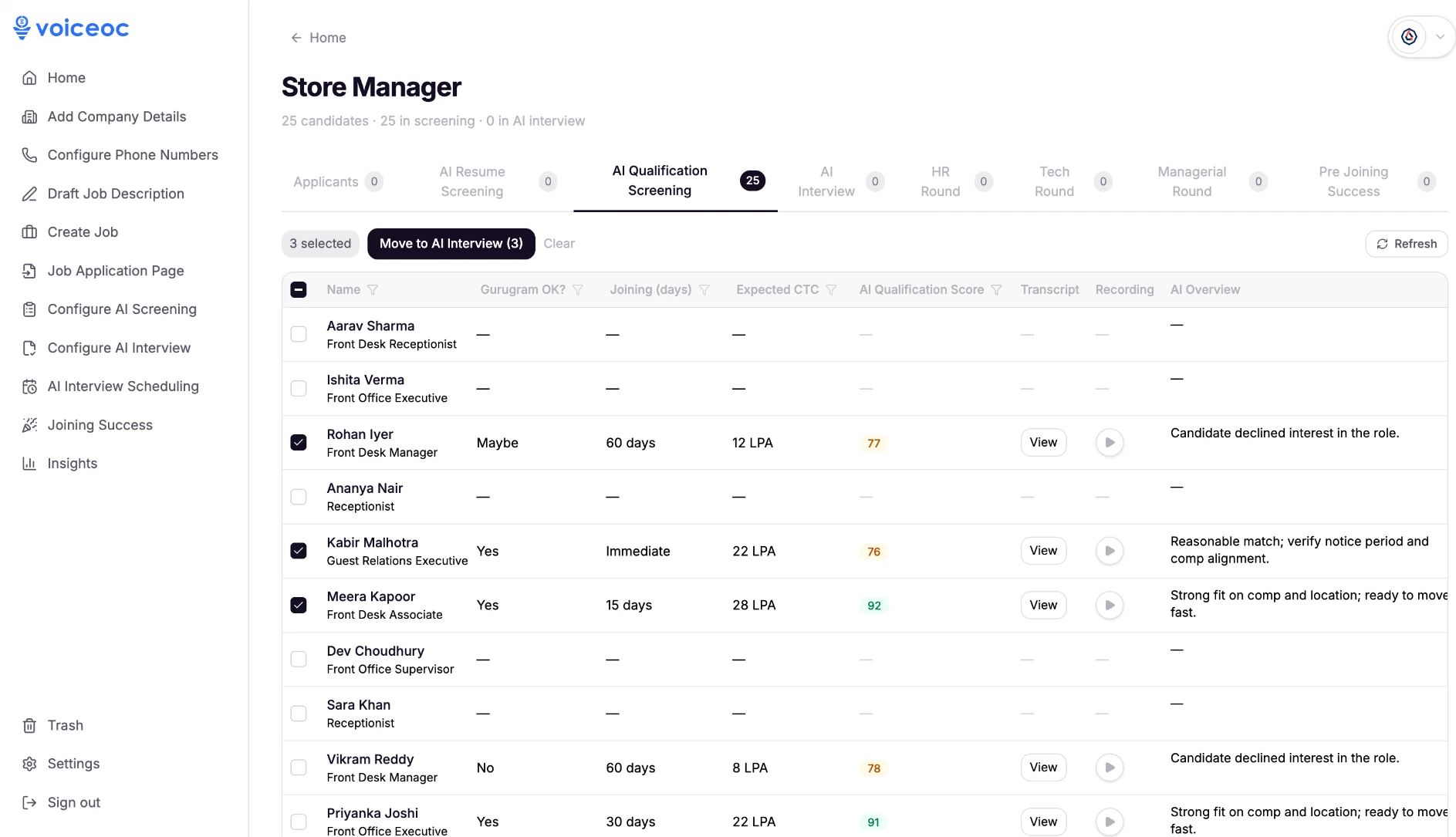
AI agents for medical practice automate these repetitive workflows by handling high-volume, low-complexity interactions independently. From appointment booking to patient intake, AI ensures consistent accuracy while freeing human staff to focus on tasks that require empathy and clinical judgment.
2. Staffing Shortages and High Turnover in Healthcare Administration
Healthcare staffing shortages are no longer limited to clinical roles. Front desk and administrative positions experience high turnover due to stress, repetitive work, and limited career growth. Hiring and training new staff is expensive and time-consuming, especially for small and mid-sized practices.
AI front desk agents act as a reliable extension of the team. They do not take sick days, experience burnout, or require retraining. Instead, they provide continuity during staffing gaps and peak call periods, ensuring uninterrupted patient communication.
Rather than replacing staff, AI allows practices to operate efficiently with leaner teams while maintaining high service quality.
3. Patients Expect 24/7 Accessibility
Modern patients expect healthcare to be as accessible as online banking or retail services. They want to book appointments after work hours, confirm visits over the weekend, and get immediate answers to basic questions.
Traditional front desks are limited by office hours, resulting in:
- Missed calls
- Lost appointment opportunities
- Patient frustration
AI front desk agents provide round-the-clock availability, handling calls, chats, and messages even when the office is closed. This constant accessibility improves patient trust and positions the practice as responsive and patient-centric.
4. Reducing No-Shows and Improving Appointment Adherence
Missed appointments cost medical practices thousands of dollars annually. Manual reminder systems are often inconsistent and dependent on staff availability.
AI-powered front desk agents send automated appointment reminders via voice, SMS, and chat. They also allow patients to confirm, cancel, or reschedule patient appointments without speaking to a human agent. This proactive engagement significantly reduces no-show rates and keeps schedules optimized.
As part of AI medical practice management, these systems ensure better utilization of provider time and increased revenue predictability.
5. Enhancing the Patient Experience From the First Interaction
The front desk sets the tone for the entire patient journey. Long hold times, rushed conversations, and missed calls negatively affect patient perception.
AI front desk agents offer:
- Instant call answering
- Consistent and polite communication
- Personalized responses based on patient history
By ensuring every patient interaction is handled promptly and professionally, AI helps practices build trust, improve reviews, and increase patient retention.
6. Cost Efficiency Without Sacrificing Quality of Care
Hiring additional front desk staff to manage call volumes is costly. Salaries, benefits, training, and turnover expenses add up quickly.
AI medical practice software provides a cost-effective alternative. One AI front desk agent can handle the workload of multiple staff members simultaneously, especially during peak hours. This scalability allows practices to control operational costs while maintaining high service standards.
7. Seamless Integration With Practice Management Systems
Modern AI front desk solutions integrate seamlessly with existing practice management systems, AI Automation, and EHR platforms. This integration enables:
- Real-time appointment scheduling
- Accurate patient data synchronization
- Reduced manual data entry errors
By acting as a unified layer across communication and scheduling systems, AI medical practice software improves workflow efficiency and data accuracy.
8. Intelligent Call Routing and Emergency Handling
Not all patient calls are equal. Some require immediate attention, while others are routine inquiries.
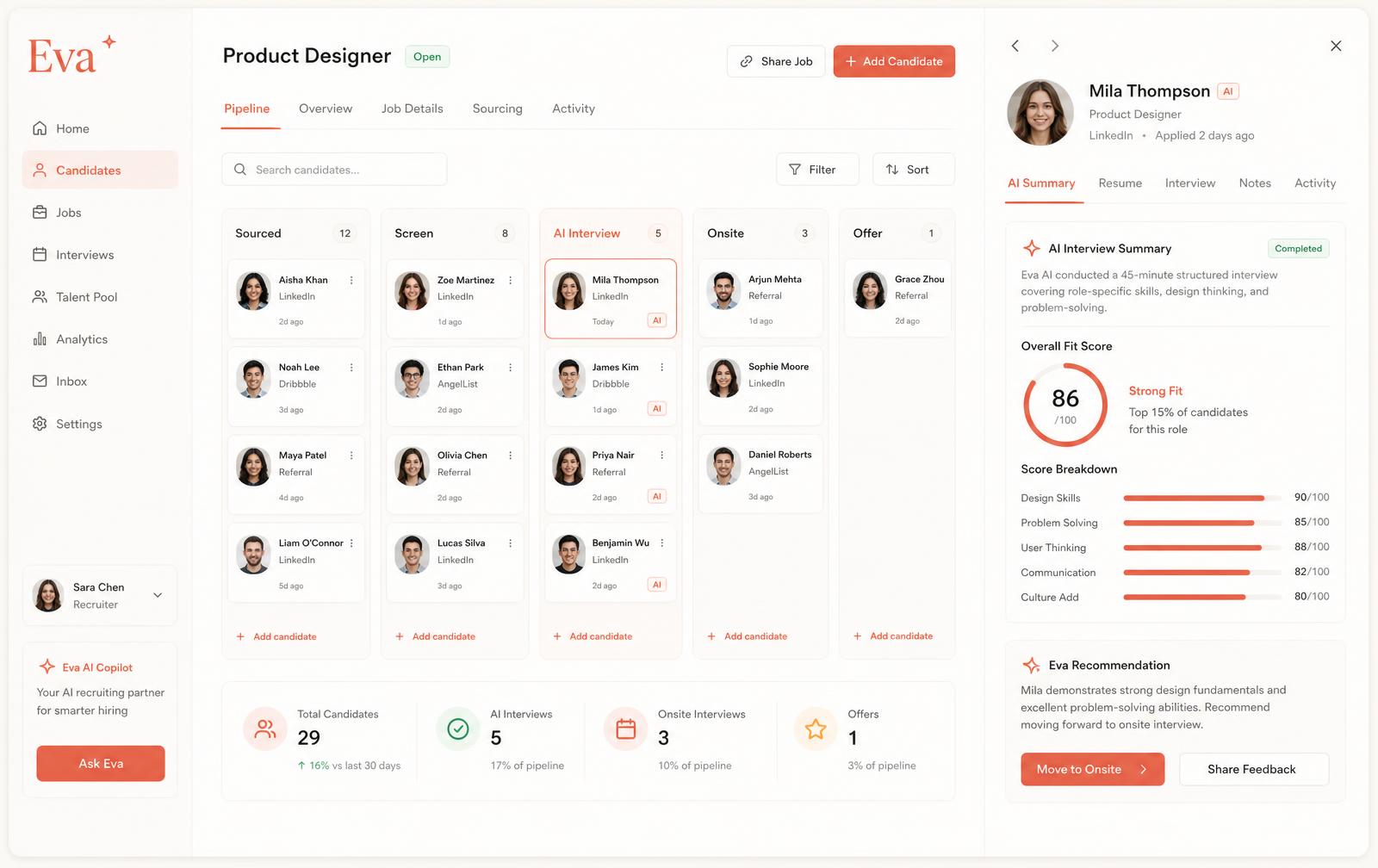
AI front desk agents intelligently triage incoming calls, identifying urgency and routing them appropriately. Emergency calls are escalated instantly, while routine requests are handled automatically. This ensures critical cases receive prompt attention without overwhelming staff.
9. Data-Driven Insights for Smarter Practice Decisions
Every patient interaction generates valuable data. AI front desk agents capture insights such as:
- Peak call times
- Common patient concerns
- Appointment demand trends
These analytics help leadership make informed decisions about staffing, scheduling, and patient engagement strategies, strengthening overall AI medical practice management.
10. Scalability for Growing and Multi-Location Practices
As practices expand, managing patient communication across multiple locations becomes complex. AI front desk agents scale effortlessly, providing centralized communication with consistent service quality.
This makes AI an ideal solution for growing clinics, specialty practices, and hospital networks.
Why Voiceoc Is the Preferred AI Front Desk Agent for Medical Practices?
Voiceoc is purpose-built for healthcare environments, offering advanced AI agents for medical practice that go beyond basic automation.
Schedule a 30-min free consultation with a Voiceoc Health Front Desk Agent!
How Voiceoc Stands Out?
- 24/7 AI Medical Receptionist: Never miss a patient call, even after hours
- Smart Appointment Scheduling: Real-time booking, confirmations, and rescheduling
- Intelligent Call Triage: Emergency and priority calls are routed instantly
- EHR & PMS Integration: Seamless compatibility with leading healthcare systems
- HIPAA-Compliant Architecture: Enterprise-grade security and compliance
- Multi-Channel Communication: Voice, SMS, and chat support
Voiceoc empowers practices to deliver consistent, high-quality patient interactions while reducing administrative strain. By combining conversational AI with healthcare-specific workflows, Voiceoc transforms the front desk into a strategic asset.
Conclusion
Medical practices are turning toward AI front desk agents because the traditional model is no longer sustainable. From staffing shortages and rising costs to increasing patient expectations, the challenges are real and growing.
By adopting AI medical practice software and intelligent front-desk solutions like Voiceoc, practices can streamline operations, enhance the patient experience, and future-proof their workflows. The future of healthcare front desks is not human versus AI; it is human empowered by AI.